Travel · Japan
Japan, for travellers from India
People in India ask us this almost every week: “Which part of Japan should I see?” This page is our answer. We live in Howrah and work with Japan every day, so these are the places we actually send friends and clients to — with the practical notes that matter when you travel from India: vegetarian food, cash, trains, and prayer.
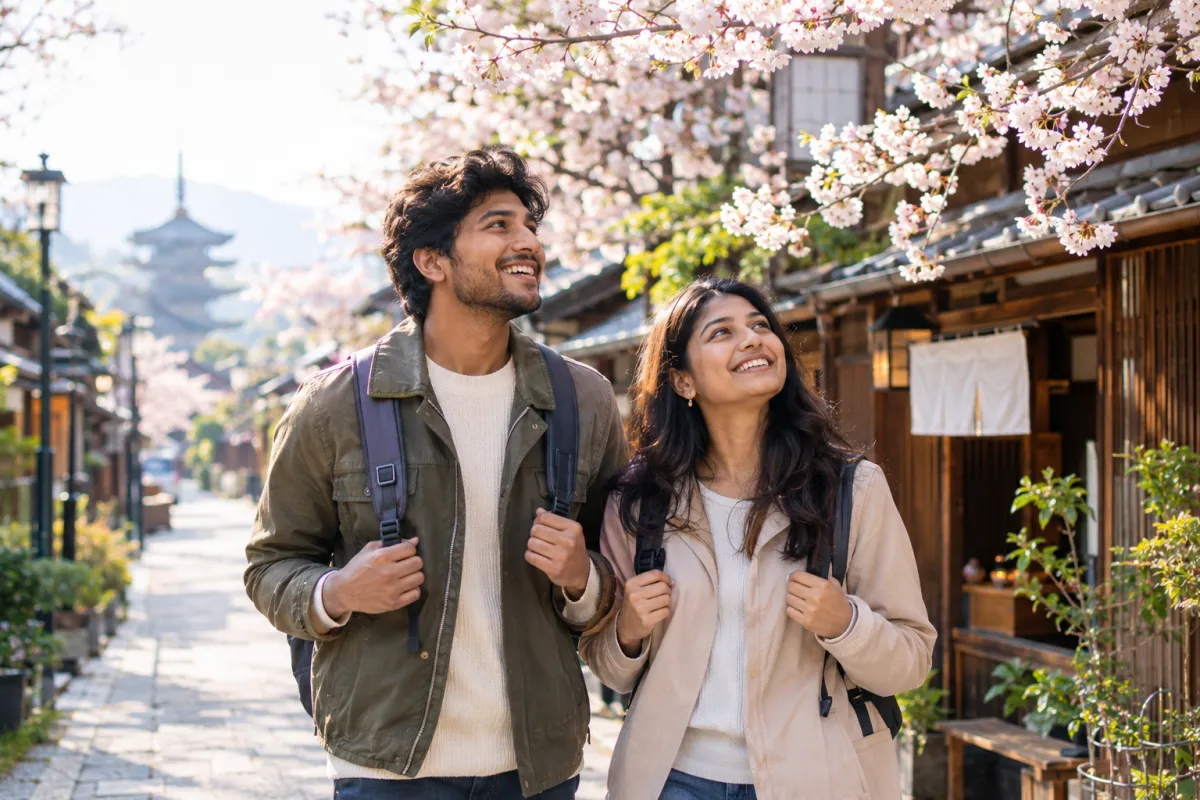
Eight places worth the journey
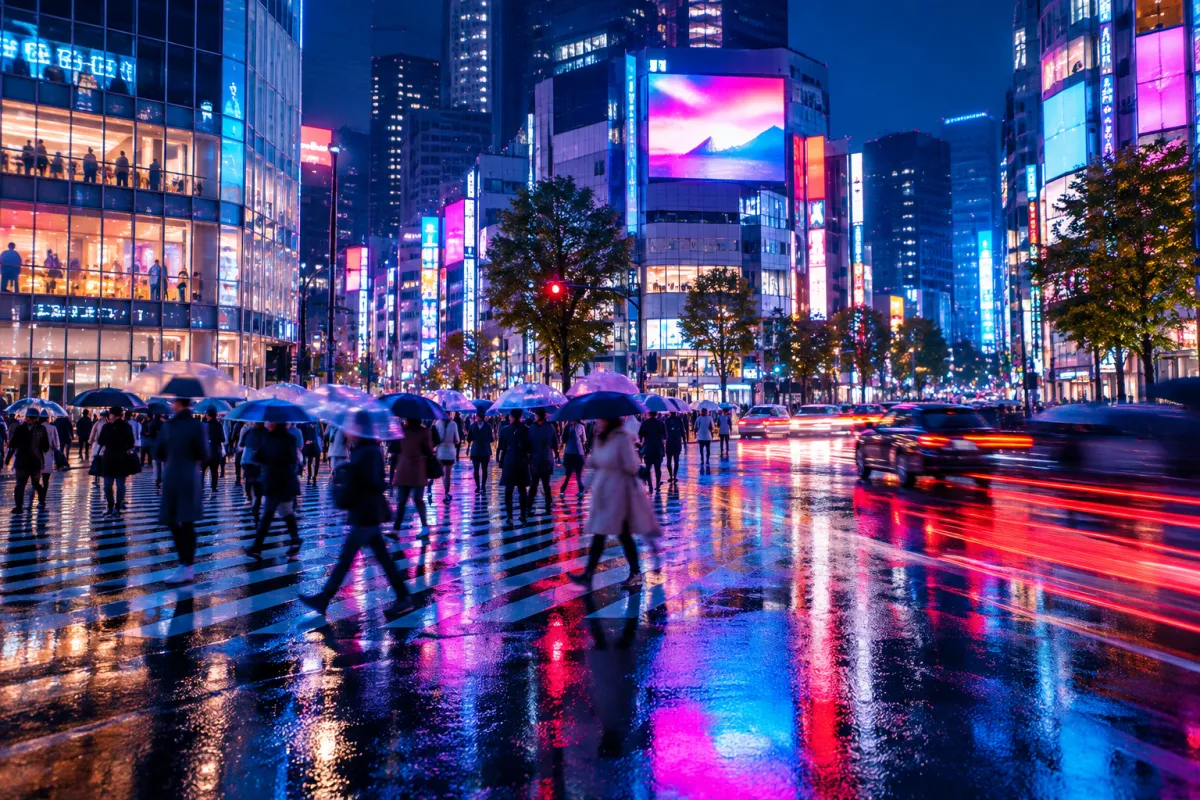
Kanto · eastern Japan
Tokyo
The first stop for almost everyone, and still the easiest city in the world to be a stranger in.
Read more →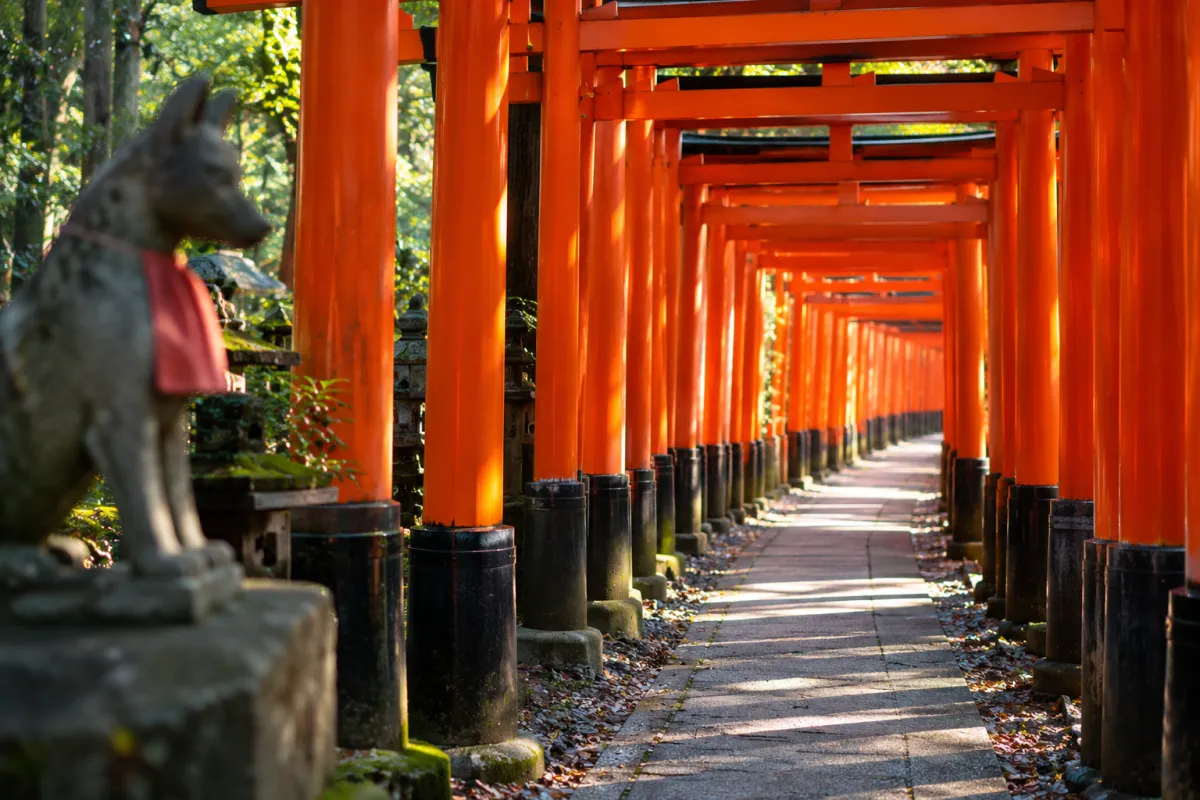
Kansai · western Japan
Kyoto
A thousand years of capital city, kept in wooden streets and temple gardens.
Read more →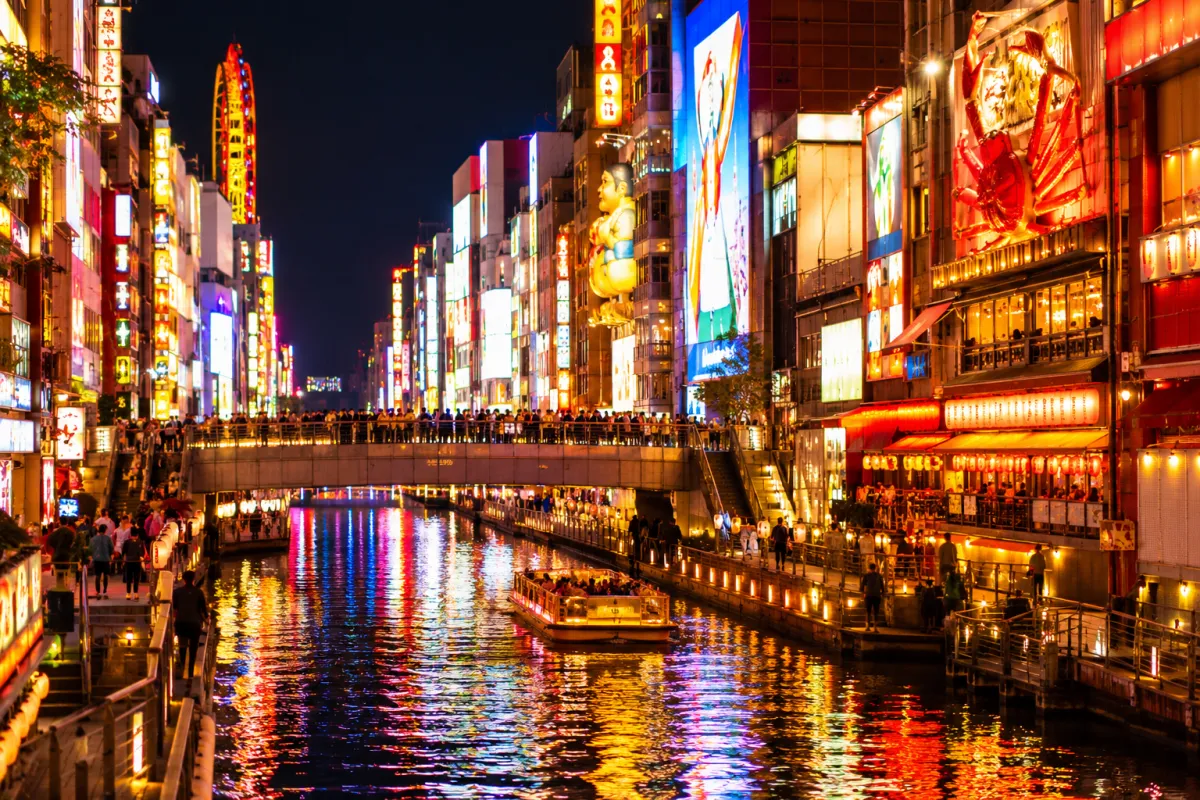
Kansai · western Japan
Osaka
Loud, friendly and built around food — the easiest city in Japan to talk to strangers in.
Read more →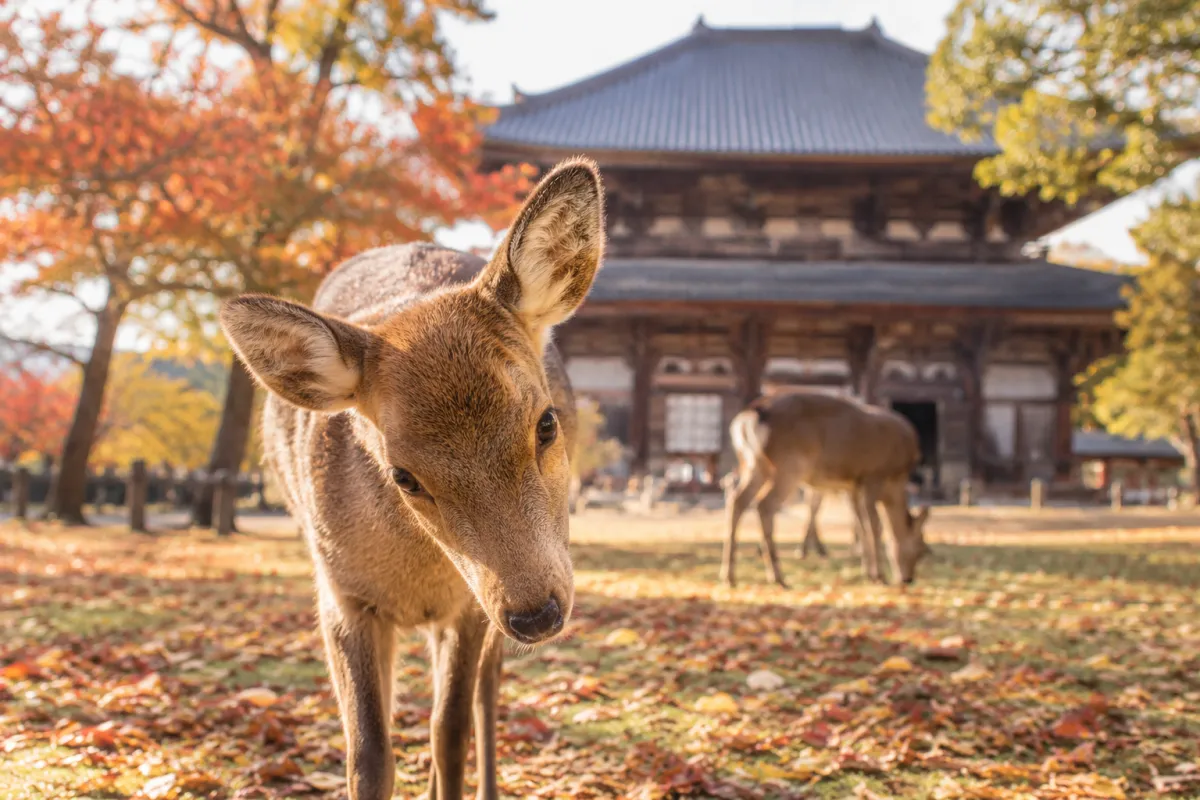
Kansai · western Japan
Nara
Japan's first capital: giant bronze Buddha, open parkland, and deer that bow for biscuits.
Read more →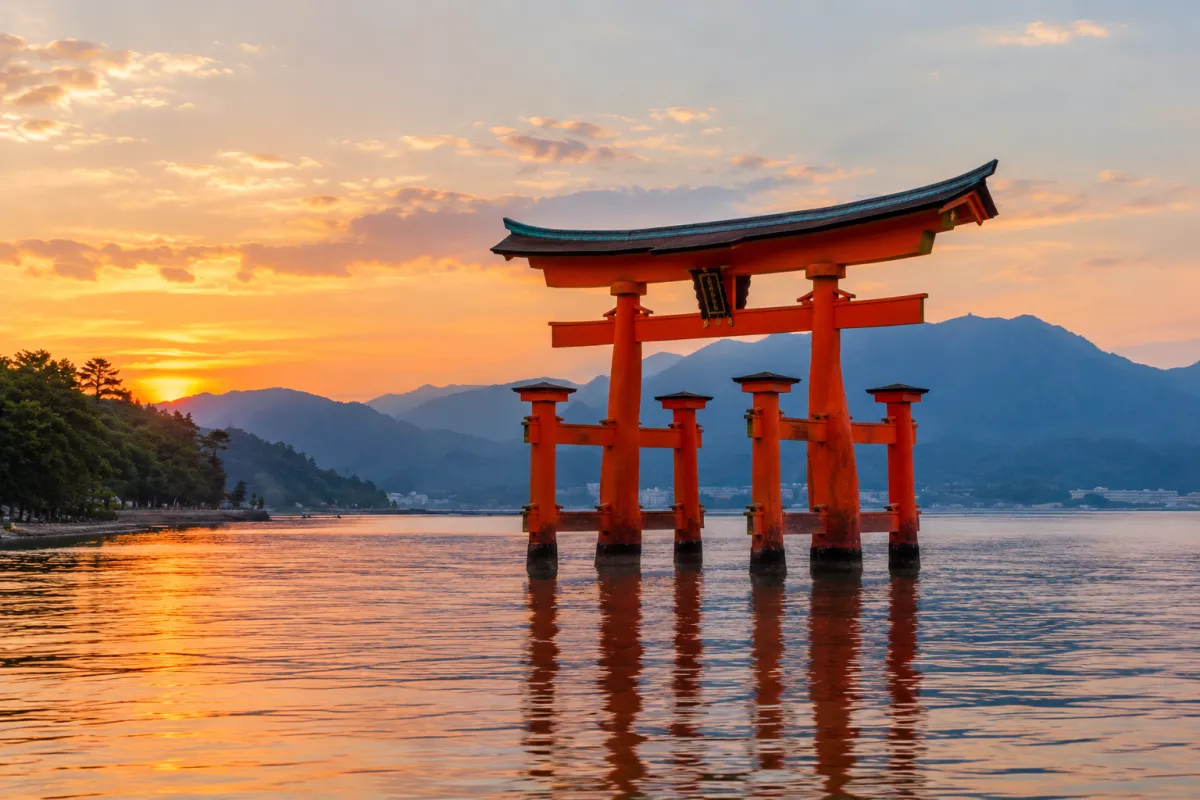
Chugoku · western Japan
Hiroshima & Miyajima
The hardest day of your trip, and the one you will talk about afterwards.
Read more →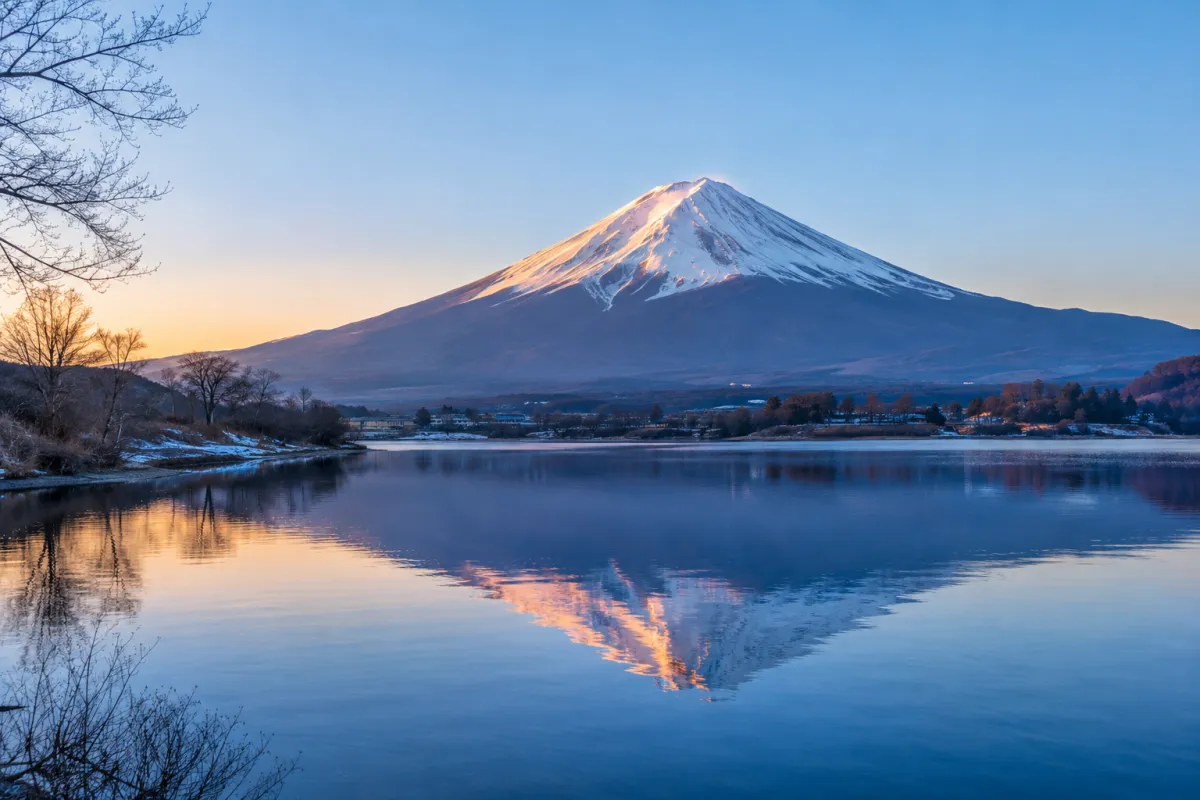
Kanto · central Japan
Hakone & Mount Fuji
Hot springs, a lake, and the mountain that decides each morning whether you get to see it.
Read more →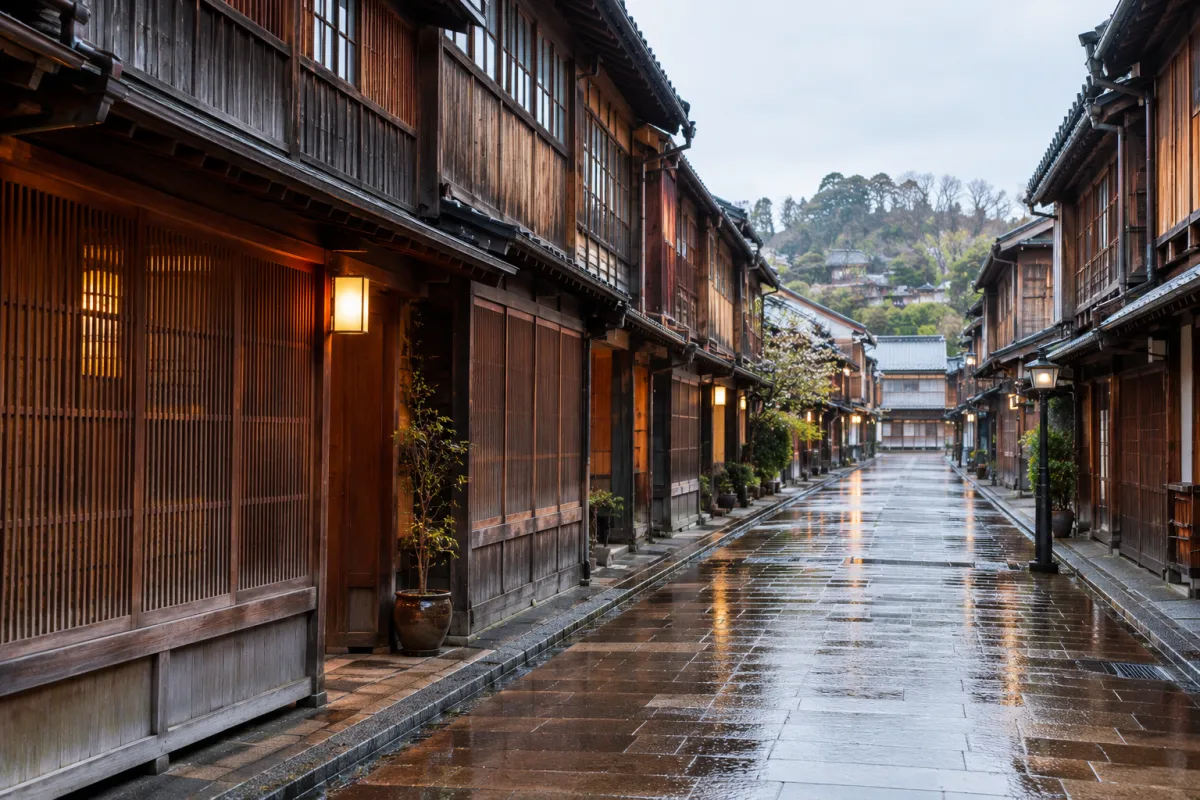
Hokuriku · Japan Sea side
Kanazawa
Kyoto's atmosphere without Kyoto's crowds — old districts, a famous garden, and gold leaf on everything.
Read more →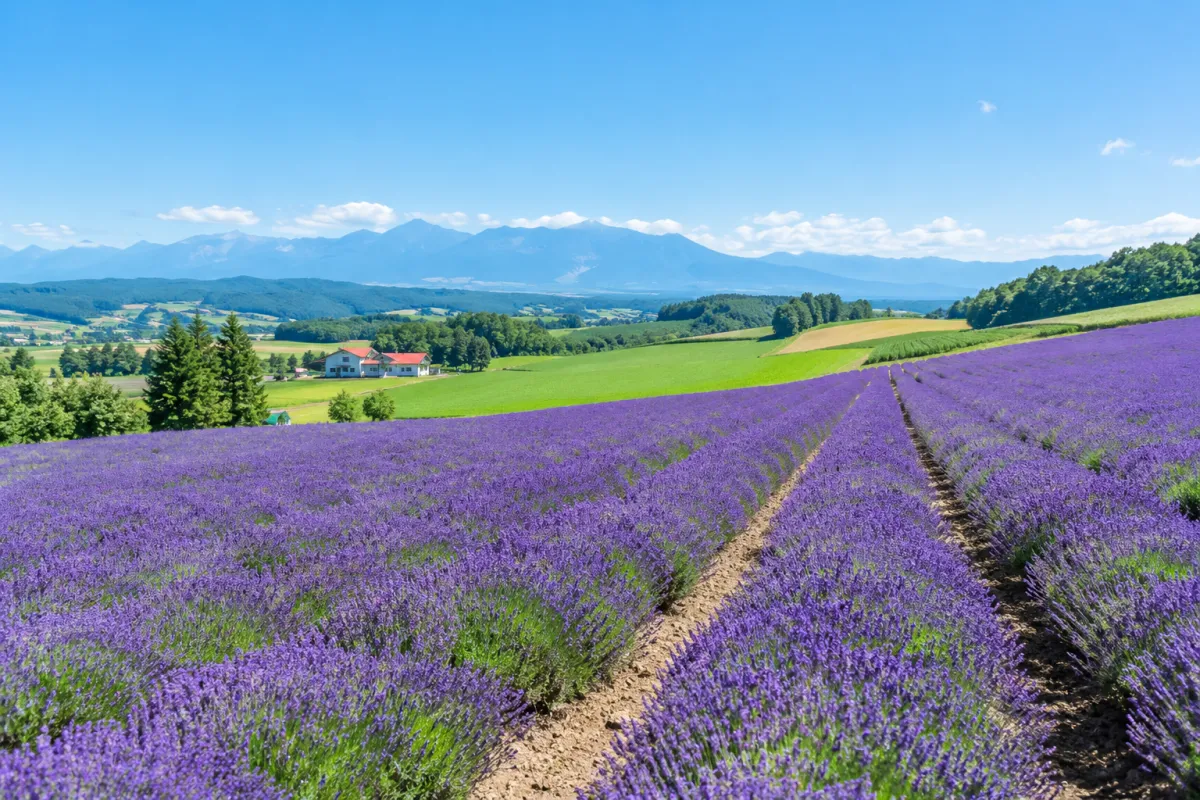
Northern Japan
Hokkaido
Snow, space and seafood — the part of Japan that does not feel crowded at all.
Read more →What to know before you book
Do I need a visa?
When is the best time to go?
| When | What you get |
|---|---|
| Late Mar – early Apr | Cherry blossom. Beautiful, crowded — book early. |
| May | Quiet and very comfortable. |
| Late Nov | Autumn colour. Beautiful, crowded — book early. |
| Oct | Quiet and very comfortable. |
| Mid-Jun – mid-Jul | Rainy season — avoid. |
| Aug | Hot and humid, close to Kolkata in summer — avoid. |
How do I get around?
Trains, almost everywhere.
- Buy a rechargeable IC card (Suica or ICOCA) at the airport and tap it for trains, buses and convenience stores.
- Covering Tokyo–Kyoto–Hiroshima? Price a Japan Rail Pass against individual tickets before deciding — it is not always cheaper now.
Will my card work?
Cards work in cities, but Japan still runs on cash in small restaurants, shrines and rural areas — carry yen.
- Cards work: hotels, department stores, chain restaurants, big stations.
- Cash only, often: small restaurants, shrines and temples, rural buses and markets.
- To withdraw yen: 7-Eleven and Japan Post ATMs take foreign cards reliably; many bank ATMs refuse them.
Is English enough?
Where do I pray?
Costs and timings
Rough numbers so you can plan a budget. These are the two things everyone asks about: the visa, and whether a rail pass is worth buying.
| Tourist visa (consular fee) | ₹500 | Single or multiple entry, same flat fee for Indian nationals since 1 July 2026. |
|---|---|---|
| Visa, total through VFS Global | about ₹1,300 | ₹500 consular fee plus roughly ₹800 VFS service charge. Courier and optional services cost extra. |
| Visa processing | 5+ working days | The embassy quotes a minimum of 5 working days, but appointments and passport return make 2–5 weeks realistic. Apply early. |
| eVisa | 4–10 working days | Available to Indian tourists since September 2025. No visa centre appointment, which removes the longest wait. |
| Japan Rail Pass, 7 days (ordinary) | ¥53,000 | Prices rose on 1 October 2026 (was ¥50,000). Green car: ¥74,000. |
| Japan Rail Pass, 14 days (ordinary) | ¥84,000 | Green car: ¥116,000. |
| Japan Rail Pass, 21 days (ordinary) | ¥105,000 | Green car: ¥147,000. Children aged 6–11 pay about half. |
| Tokyo–Kyoto one way (shinkansen) | about ¥14,000 | Reserved seat, Nozomi. Note that a Rail Pass does not cover Nozomi without paying extra. |
| Train times to remember | Tokyo–Kyoto 2h 15m | Tokyo–Hiroshima about 4h, Osaka–Hiroshima 1h 40m, Tokyo–Kanazawa 2h 30m, Tokyo–Sapporo 1h 40m by air. |
Checked on 4 October 2026. Fees and timings change — always confirm the current figures with the Japanese embassy, VFS Global or the official Japan Rail Pass site before you pay.
Work out the cost of your actual journeys before buying a rail pass. After the October 2026 increase, a single Tokyo–Kyoto return plus local trains is usually cheaper than a 7-day pass; the pass pays for itself only if you are crossing the country.
Eating vegetarian in Japan
This is the single biggest worry we hear from Indian travellers, and it is a real one — but it is manageable if you plan a little.
- Dashi, the stock in most Japanese cooking, is usually made from dried fish. “Vegetable” dishes often contain it, so ask specifically rather than asking for “no meat”.
- Shojin ryori — the vegetarian cooking of Buddhist temples — is completely plant-based and worth a meal of its own, especially in Kyoto and Koyasan.
- Indian restaurants are everywhere, run mostly by Indian and Nepali families. In any city of reasonable size you are rarely more than a short train ride from a proper thali.
- Convenience stores are your safety net: onigiri with umeboshi, plain rice, fruit, nuts, yoghurt. Read the ingredient photos, or use a translation app on the label.
- Carry a card in Japanese stating what you do not eat. Showing it works far better than explaining in English.
Planning a trip, or sending your team?
We are a Japanese-run company based in Howrah, West Bengal. If your company is sending people to Japan — or you simply want a second opinion on an itinerary — write to us. This page is not a paid service; we keep it because we are asked these questions constantly.